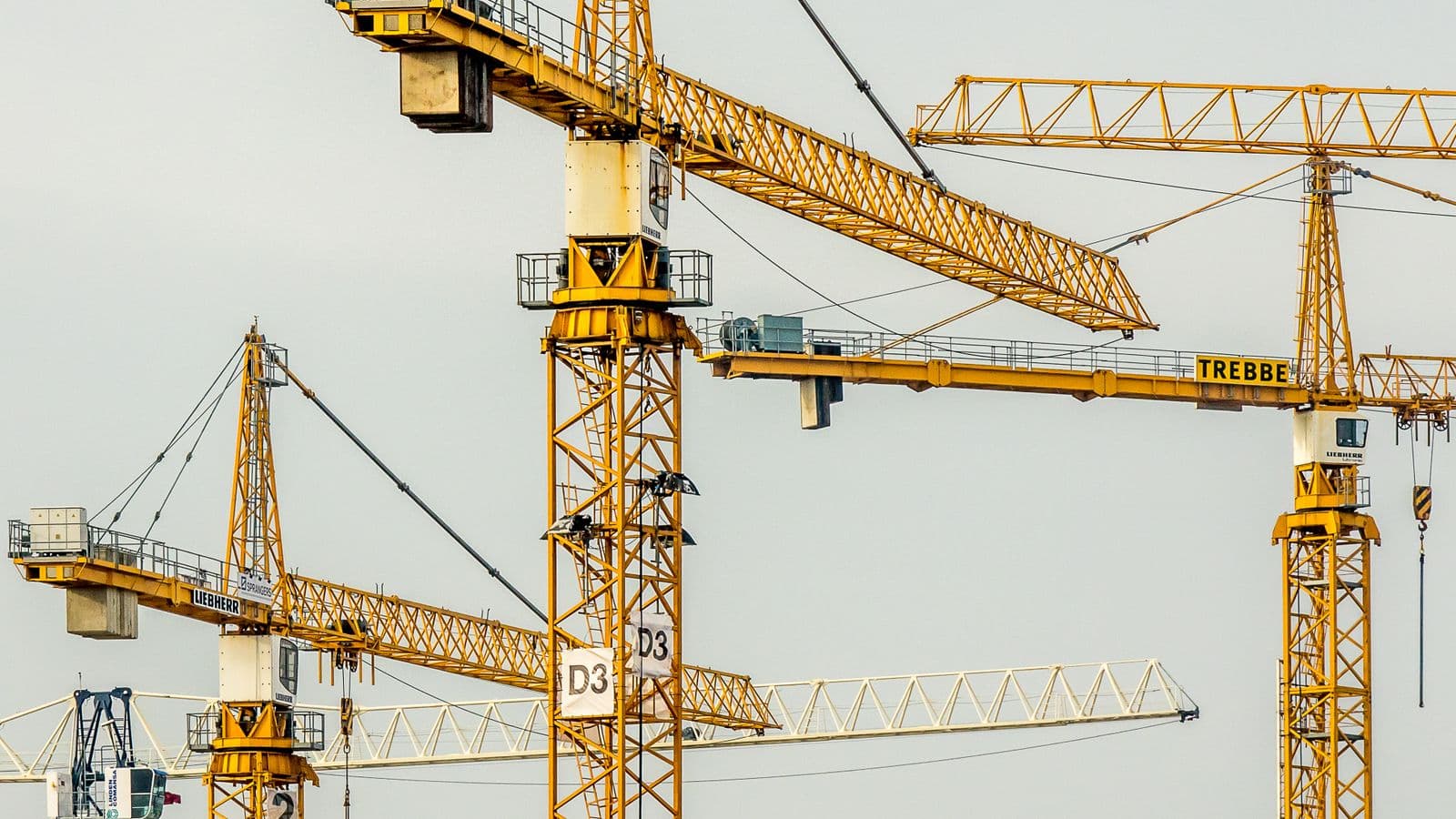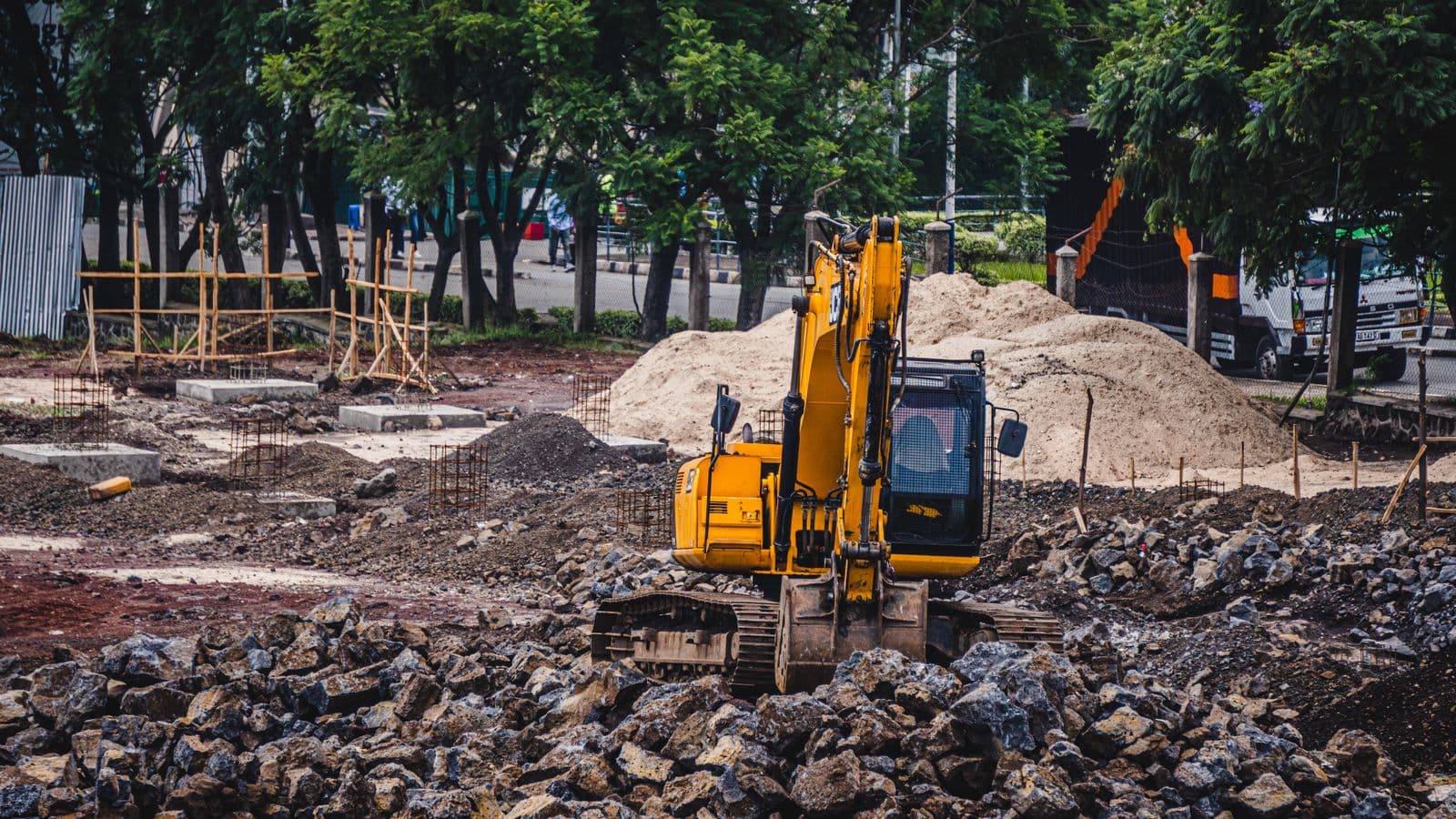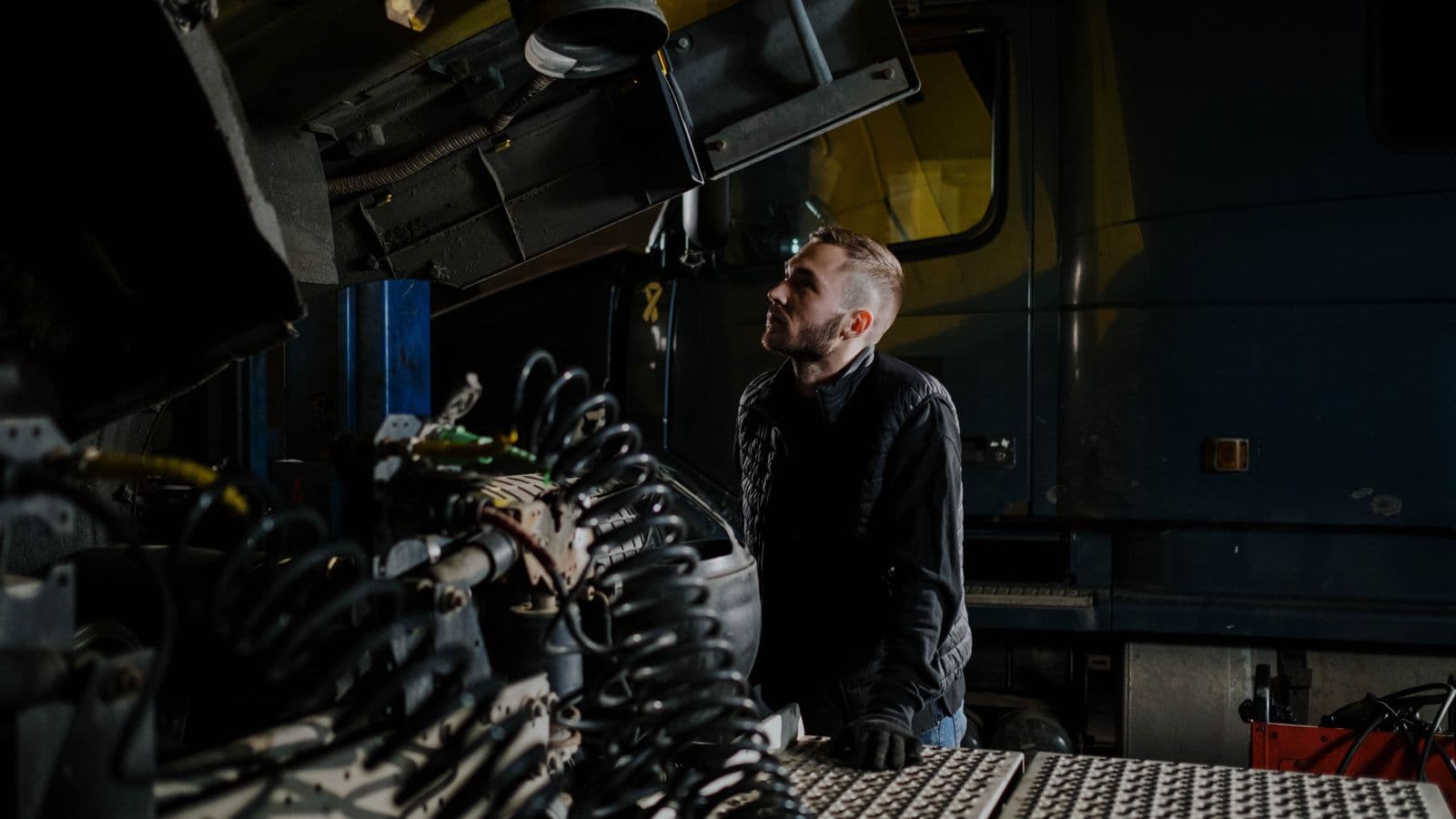
Between contracts, after project completions, or waiting out a slow season, Saudi yards fill with parked machines — and parked is not preserved. A machine that sits untouched for six months in Saudi sun and dust often needs more parts to return to work than one that ran the whole time. Deterioration is not from use; it is from neglect at rest.
What Actually Degrades in Storage
The Lay-Up Procedure (One Good Day of Work)
The Monthly Routine (The Part Everyone Skips)
Thirty minutes per machine per month beats everything else: start and run to full operating temperature (a five-minute idle is worse than nothing — it condenses moisture without evaporating it), cycle every hydraulic function to redistribute oil and re-coat seals, move the machine a meter to shift tire and gear contact points, and check for new leaks, nests, and corrosion. Log it; the recommissioning inspection relies on the record.
Recommissioning Without Surprises
Before the machine works again: full fluid and filter check (fuel filters especially — storage sludge moves the day you work the tank), belt and hose inspection with replacement of anything hardened, battery load test, brake function proof, air filter inspection (yard dust is real dust), and a gentle first shift while watching temperatures and pressures. Budget honestly: a machine stored well needs a service; a machine stored badly needs a parts order — hoses, batteries, seals, and sometimes injectors — that costs multiples of the lay-up effort it replaced.
HESP supplies storage and recommissioning kits — rod protectant, stabilizers, desiccants, covers, plus the service parts for return-to-work — and can help plan lay-up for fleets heading into a gap. Store it like you will need it soon; in this market, you will.