Giga-projects have flexible masterplans; global events do not. With Expo 2030 Riyadh opening in October 2030 and the FIFA World Cup kicking off in 2034, Saudi construction now works toward two deadlines that cannot slip — dates the whole world has been invited to. For the equipment and parts economy, that certainty changes planning in ways worth taking seriously.
The Pipeline Behind the Dates
What Deadline-Density Does to Equipment Markets
Venue Work Has Its Own Parts Profile
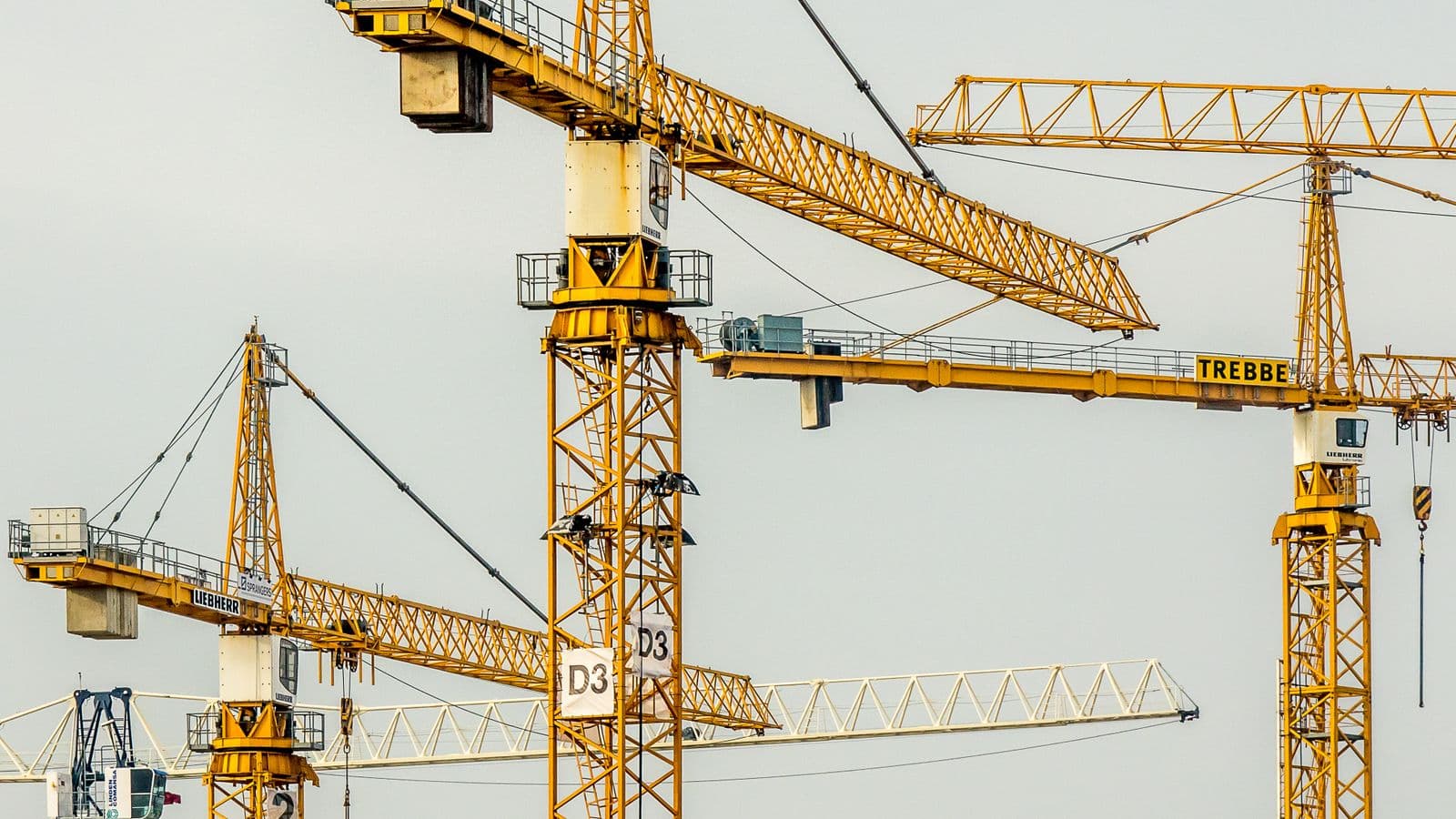
Stadium and pavilion construction is crane-and-concrete work: tower crane components with certification, mobile crane wire ropes and boom parts, concrete pump wear parts by the container, hoists, and generators — plus the compact-machine fleet for fit-out phases. Cities hosting renovations (upgrading existing stadiums) add demolition attachments and their consumables to the mix.
Positioning for the Decade
The strategy writes itself from the calendar: standardize fleets before the crunch, lock framework supply agreements while capacity is available, build site-stock discipline on current projects so it is culture by 2028, and treat operator training as parts strategy — the deadline decade will be run by whoever keeps machines alive.
HESP is planning its stock depth and supply programs against the same calendar — framework agreements signed now carry priority when the crunch arrives. Talk to us in 2026, and 2029 will be a delivery schedule instead of a crisis.