Mining is officially the third pillar of the Saudi economy, and the numbers behind the slogan are heavy equipment numbers: phosphate operations at Wa'ad Al Shamal, gold mines across the Arabian Shield, bauxite at Al Ba'itha, and exploration programs opening new ground every quarter. Every one of those operations runs on machines that eat parts faster than any construction site.
Why Mine Duty Is Different
A mine works its equipment 6,000–7,000 hours a year — triple a typical construction machine's duty. Abrasive ore, 24/7 shifts, and long haul cycles change the consumption math:
The purchasing consequence: mines and their contractors cannot buy parts reactively. Everything predictable must be on contract, on site, or on a scheduled truck.
The Contractor's Position
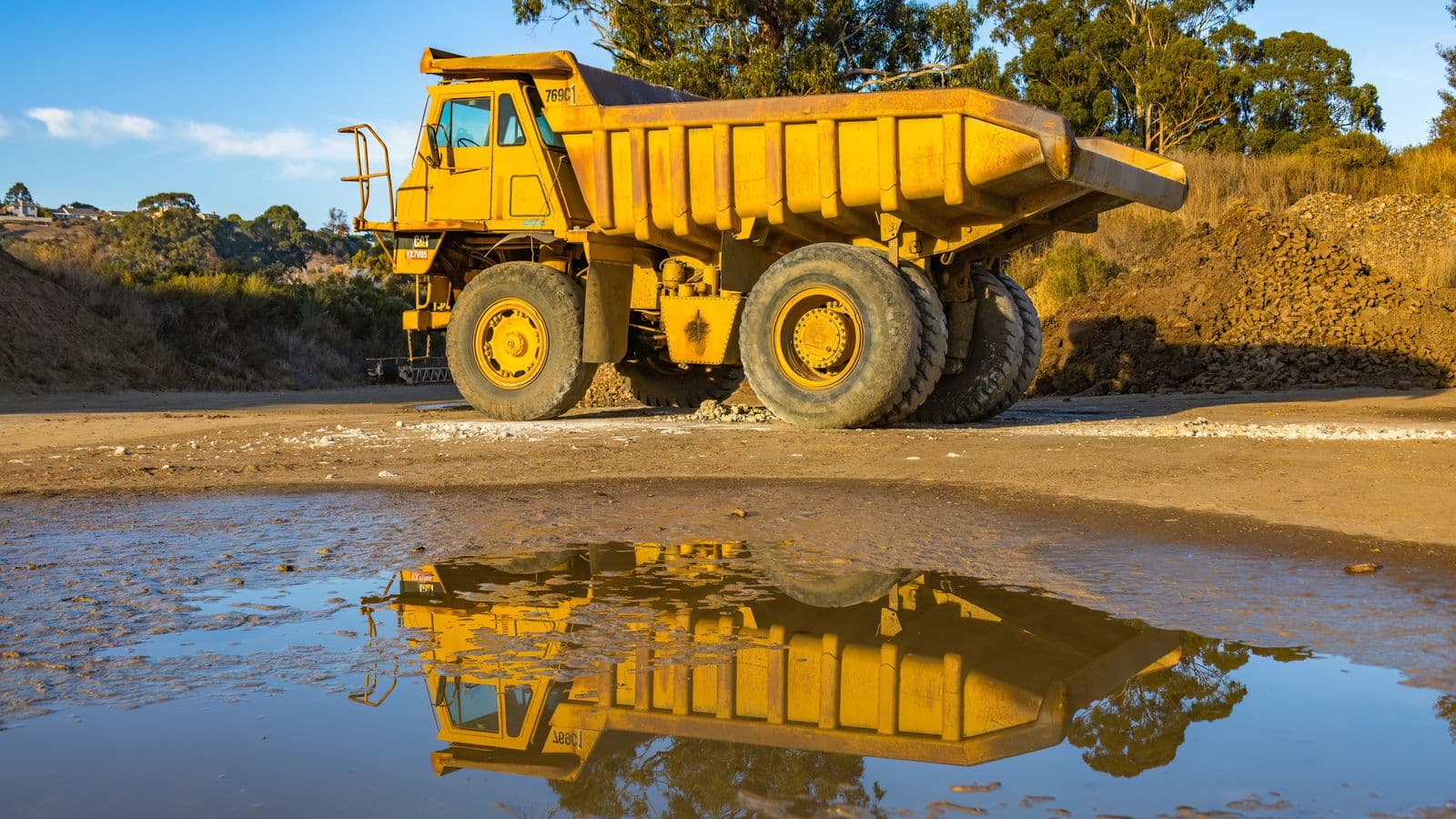
Most parts demand around Saudi mining flows through contractors — the earthmoving, crushing, and haulage companies serving the mine owners. Their machines are usually construction-class units (CAT 349s and 777s, Komatsu PC800s and HD785s, Volvo A45s) worked at mine intensity. For them the high-leverage moves are:
Remote Site Reality
Saudi mines sit far from parts counters — Wa'ad Al Shamal is 1,300 km from Riyadh. The supply doctrine mirrors NEOM's: 90 days of consumables on site, pooled critical spares across identical fleets, weekly consolidated shipments, and express dispatch reserved for genuine emergencies.
HESP supplies mining contractors across Saudi Arabia with wear parts, GET, undercarriage, filters, and exchange components — plus site-stock planning built from your fleet list and duty cycle. Send us the machine hours; we will send back the consumption forecast.