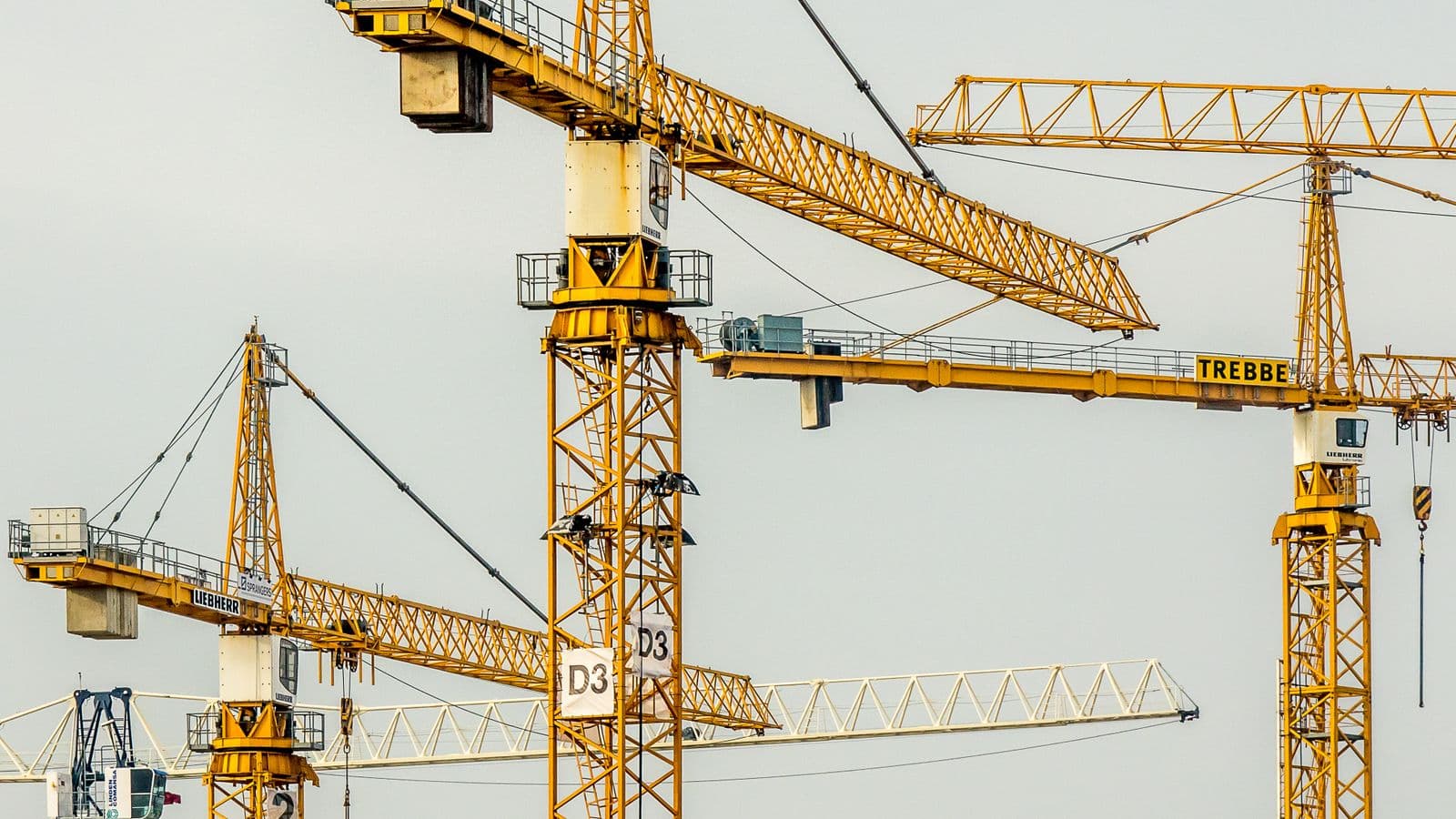
Around every drilling location and energy construction site in Saudi Arabia works a supporting fleet that rarely gets named: the cranes that lift, the dozers that build pads and roads, the loaders and forklifts that handle materials, the generators that power camps. This support fleet operates under the energy sector's standards — and its parts supply has rules of its own.
The Support Fleet Profile
Standards Change the Buying Rules
Energy-sector clients audit their contractors, and contractor equipment must hold documentation civilian construction never asks for:
The practical consequence: buy the certificate with the part. A cheaper uncertified sheave is not a saving; it is a failed audit and a stand-down. State documentation requirements in the RFQ so quotes compare like-for-like.
Desert Duty Specifics
Rig-support fleets work in the Kingdom's emptiest quarters — soft sand that overheats drivetrains, distances that turn a forgotten filter into a two-day problem, and summer temperatures that push every cooling system to its edge. The parts doctrine is familiar but stricter: deep consumables stock at camp, pooled critical spares, and scheduled resupply runs. What is different is fuel and air quality: remote tank farms mean aggressive fuel filtration (stock double separators) and constant fine dust means air filter management is a daily discipline, not a service-interval item.
Supplier Expectations
Energy contractors need suppliers who quote fast against serials, provide documents without being chased, hold agreed stock against contract, and dispatch to coordinates — not addresses. Casual parts traders struggle with all four.
HESP supplies energy-sector support fleets across Saudi Arabia — certified lifting components, undercarriage, GET, cooling parts, and genset service programs, with documentation prepared as standard. Send your equipment list and compliance requirements together; the quote returns complete and audit-ready.