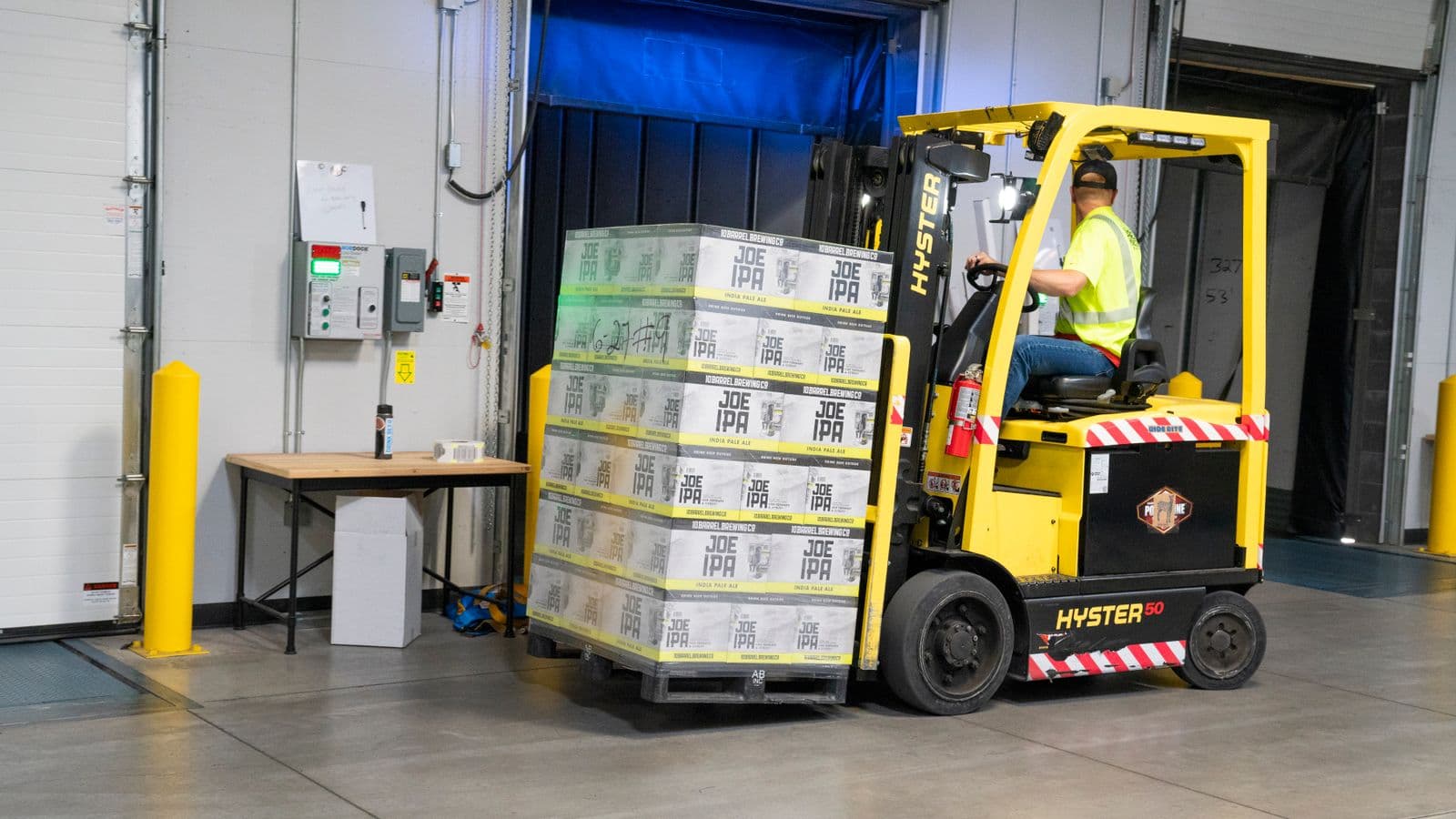
Saudi Arabia's ports are in the middle of a capacity race — Jeddah Islamic Port and King Abdullah Port on the Red Sea, Dammam and Jubail on the Gulf, with throughput targets that climb every year under the national logistics strategy. Behind every crane move is a ground fleet of reach stackers, empty container handlers, heavy forklifts, and terminal tractors that work brutal duty cycles meters from salt water.
The Terminal Ground Fleet
What Consumes Parts in Port Duty
Uptime Stakes at the Berth
Terminal operations price delay by the vessel hour. Equipment availability targets run 95%+, which is unreachable on reactive parts buying. Port fleets converge on the same three practices: PM kits stocked per machine family, a float of high-failure electrical and spreader components, and supplier agreements with defined response times for driveline and hydraulic majors.
Salt-Air Countermeasures That Pay
Specify dielectric grease on every connector service, stainless hardware on exposed replacements, rod protection on parked cylinders, and fortnightly freshwater washdowns — the cheapest corrosion program there is. Fleets that do this see electrical fault rates drop by half.
HESP supplies port and terminal fleets in Jeddah, Dammam, and across Saudi Arabia — spreader parts, transmission and axle service kits, hydraulic components, tires, and marine-grade electrical spares, quoted against your machine serials. Ask for the terminal float list for your fleet mix.