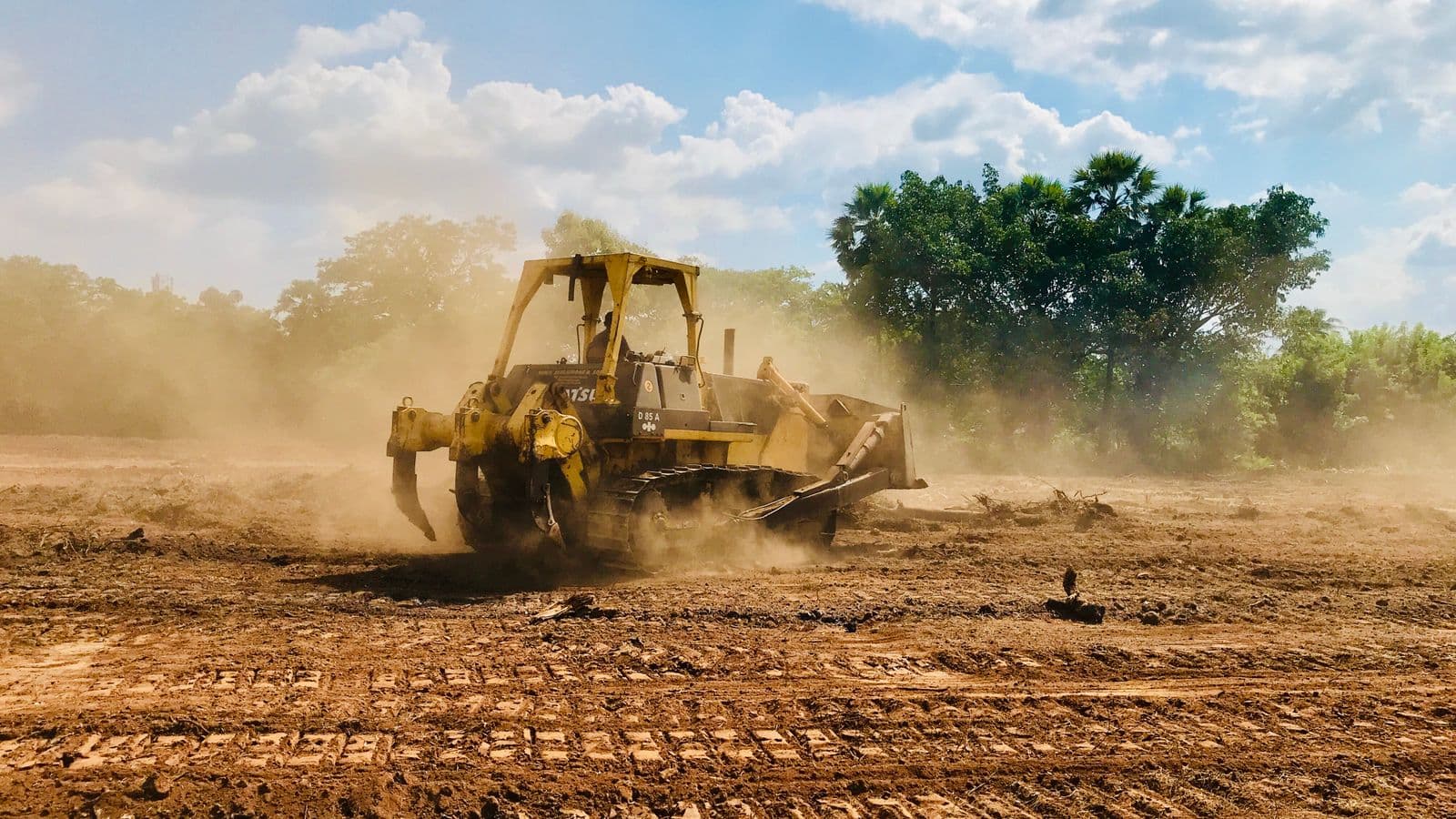
Dust is the background condition of Saudi operations, but the shamal season — the northwesterly winds that peak in late spring and summer — turns it into an event. When a wall of orange rolls over a site, visibility is the obvious problem and the cheap one. The expensive problem is what the next weeks do to every machine that breathed the storm.
What Dust Actually Does
Fine dust is an abrasive in suspension. Inducted past a compromised air filter, it embeds in cylinder walls and lands in oil (rising silicon in oil analysis is the smoking gun); it packs radiator and condenser cores into insulating blankets; it works into electrical connectors, coupler faces, and every hydraulic connection opened carelessly; and it loads cabin filters until operators give up on the pressurization that protects both them and the electronics around them.
Filtration Is a System, Not a Part
When the Storm Is Coming
Weather services flag major shamal events in advance. The site drill: finish critical lifts and shut down non-essential machines before arrival; park nose-downwind where possible; close intakes, cabs, and covers; cap open hydraulic lines and stack attachments faces-down; and protect open fuel tank vents on storage tanks — the tank farm inhales storms too, which is why our genset guide is emphatic about fuel filtration.
The After-Storm Checklist
Stock for the Season
Air filter elements at double normal depth for storm-season months, cabin filters in bulk, fuel filters and separator elements, and radiator-cleaning supplies. Filters are the cheapest insurance in this entire blog — and the first thing to sell out regionally the week after a big storm.
HESP stocks air, cabin, and fuel filtration for the Saudi fleet's common machines — Donaldson, Fleetguard, and MANN lines cross-referenced to your OEM numbers — with seasonal stocking programs so the storm never catches your shelf empty. Order the season's filters before the season; the sky gives no notice worth having.