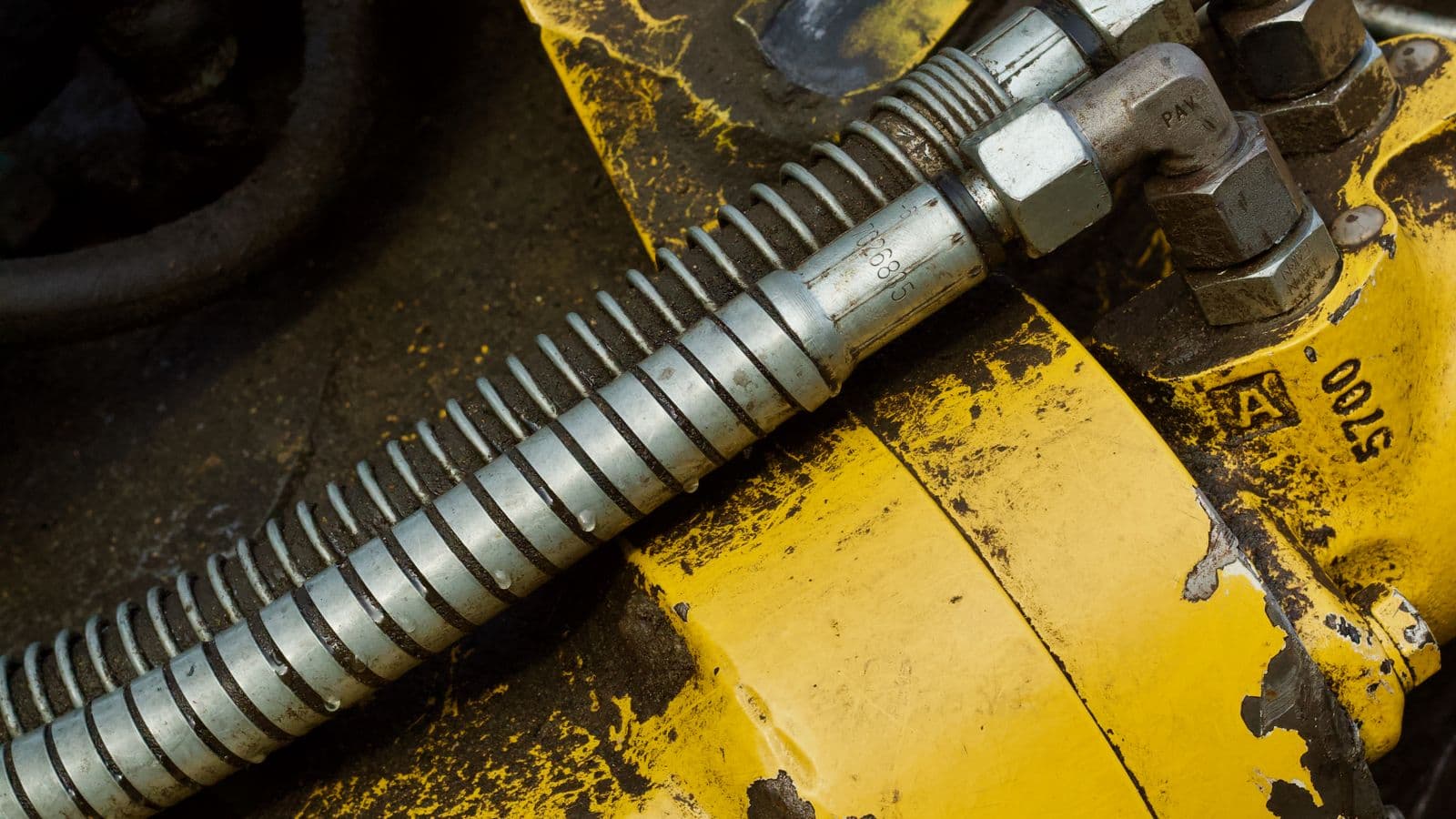
A weeping boom cylinder is one of the most common repairs on any Saudi job site, and one of the most commonly botched. The difference between a reseal that lasts years and one that fails within weeks is almost never the mechanic — it is whether the right kit went in, made of the right material, into a cylinder whose real problem was diagnosed.
First: Is It Actually the Seals?
Seals are consumables, but they often fail as a symptom:
Reseal a cylinder without checking these and you will be doing it again before summer ends.
Ordering the Right Kit
The safe route is machine serial + cylinder position (boom, arm, bucket, blade lift). OEM books list the complete kit per cylinder. If the machine is older or the cylinder non-original, measure:
Seal Profiles in the Kit
A typical kit contains a rod seal (U-cup or buffer + U-cup pair), a wiper/dust seal (critical in Saudi sand — it is the first line of defense), a piston seal (often PTFE glide ring + O-ring energizer), wear rings/guide bands, and static O-rings with backup rings for the gland.
Material Matters at 50°C
Standard nitrile (NBR) seals rated to 100°C run near their limits in Saudi hydraulic systems, where oil temperatures climb hard in summer. For machines working July–September, ask for polyurethane rod seals and Viton (FKM) static seals where offered. The cost difference is small; the service-life difference in our climate is not.
The Reseal Discipline
Replace every seal in the kit, not just the leaker. Fit seals with clean oil, never dry. Torque the gland to spec. And change the hydraulic filter after the job — debris from a failed seal circulates.
HESP stocks seal kits for the common CAT, Komatsu, Doosan, Volvo, JCB, and Hitachi cylinders working in Saudi Arabia, with high-temperature material options. Quote by machine serial and cylinder position — or send us your measurements.