Some machine classes give you the choice — skid steers vs CTLs, wheeled vs tracked excavators, dozers vs graders for certain jobs — and every Saudi fleet eventually argues about it. The honest answer is terrain-dependent arithmetic. Here is the arithmetic.
What Each One Buys You
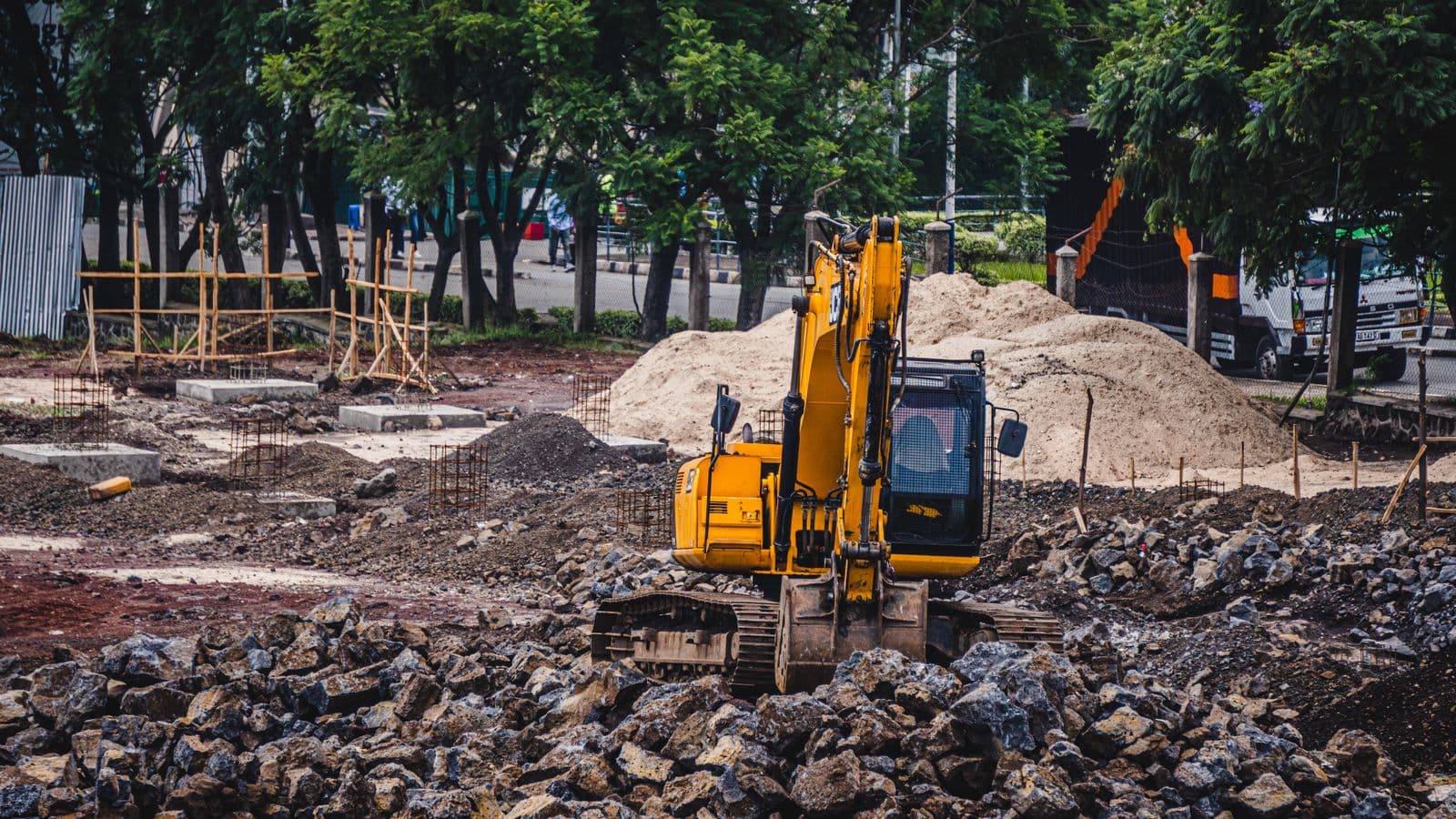
Tracks buy flotation and traction. Ground pressure drops from a wheeled machine's 3–4 kg/cm² to as low as 0.3–0.6, which is the difference between working and sinking in soft dune sand, wet sabkha, and loose fill. Tracked machines push and dig harder at low speed and shrug off surfaces that strand wheels.
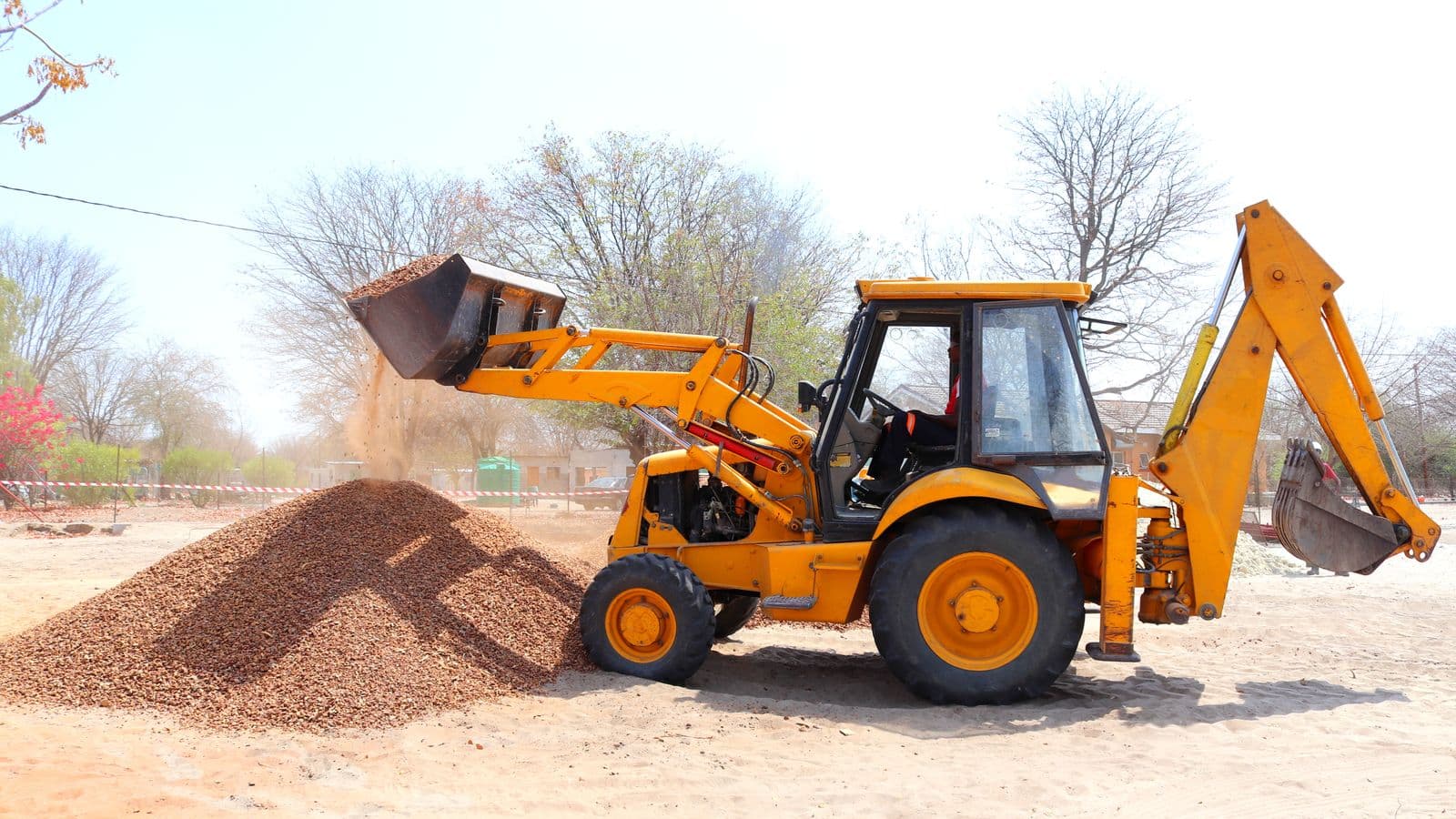
Tires buy speed and cheap ground. Wheeled machines road themselves between tasks at 25–40 km/h (a tracked machine needs a lowbed), turn faster cycles on firm ground, ride smoother, and cost less per hour on surfaces that don't punish rubber.
The Wear Economics, Saudi Edition
The Decision Rules
Managing Whichever You Chose
Tires: pressure checks weekly (cold), rotation on schedule, matched pairs on axles, and records per position — tire cost per hour is a manageable number only if someone manages it. Tracks: tension to spec, daily debris clearing, and the sprocket-matching rules from the undercarriage guide.
HESP supplies OTR tires, rubber tracks, and steel undercarriage across Saudi Arabia — with cost-per-hour comparisons for your specific machines and terrain, not generic brochures. Tell us where the fleet works; the arithmetic follows.